

Record Prices, Rotten Crops
In a new piece for the Guardian, we look at the future of Colombia’s coffee sector


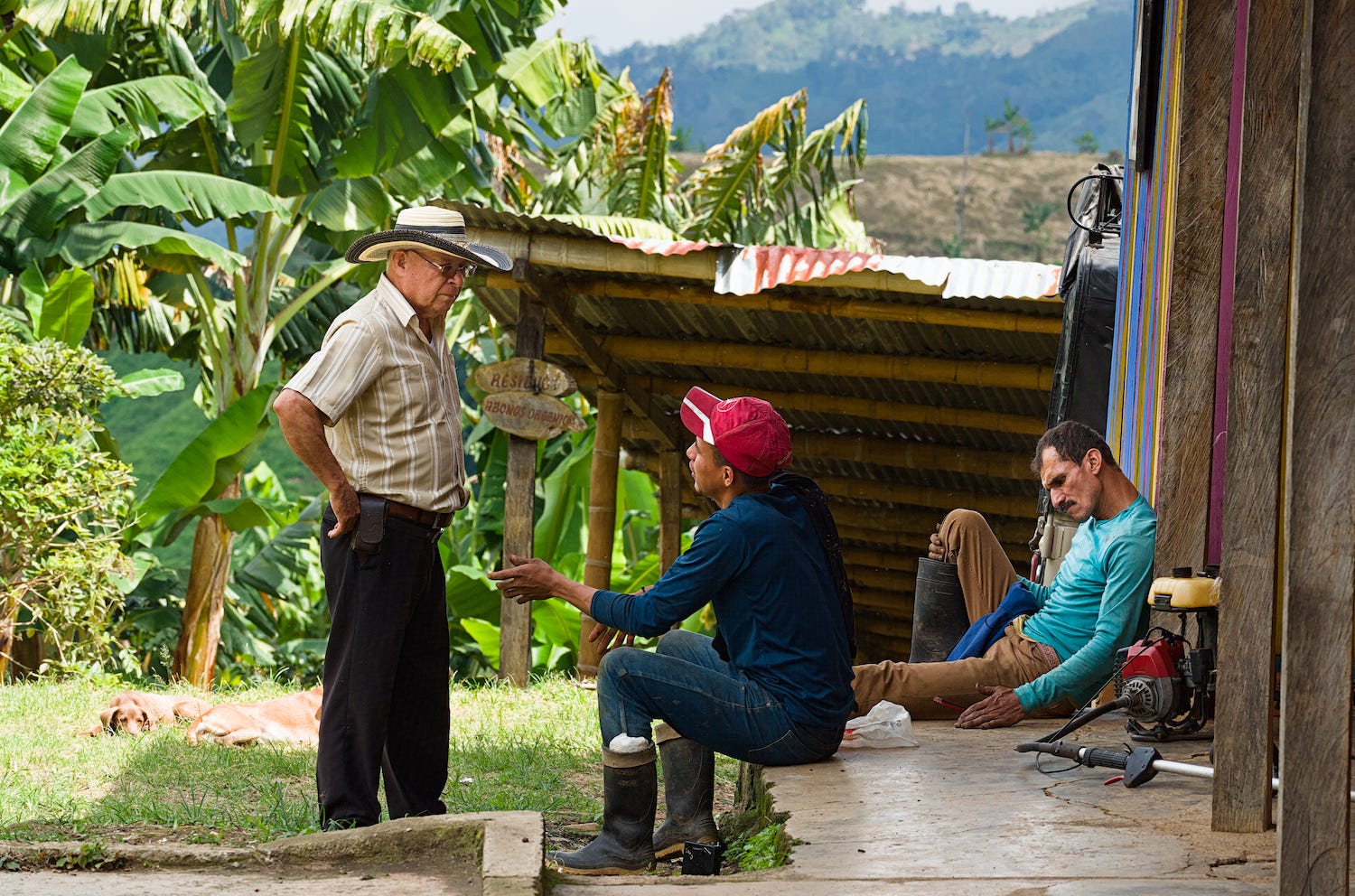
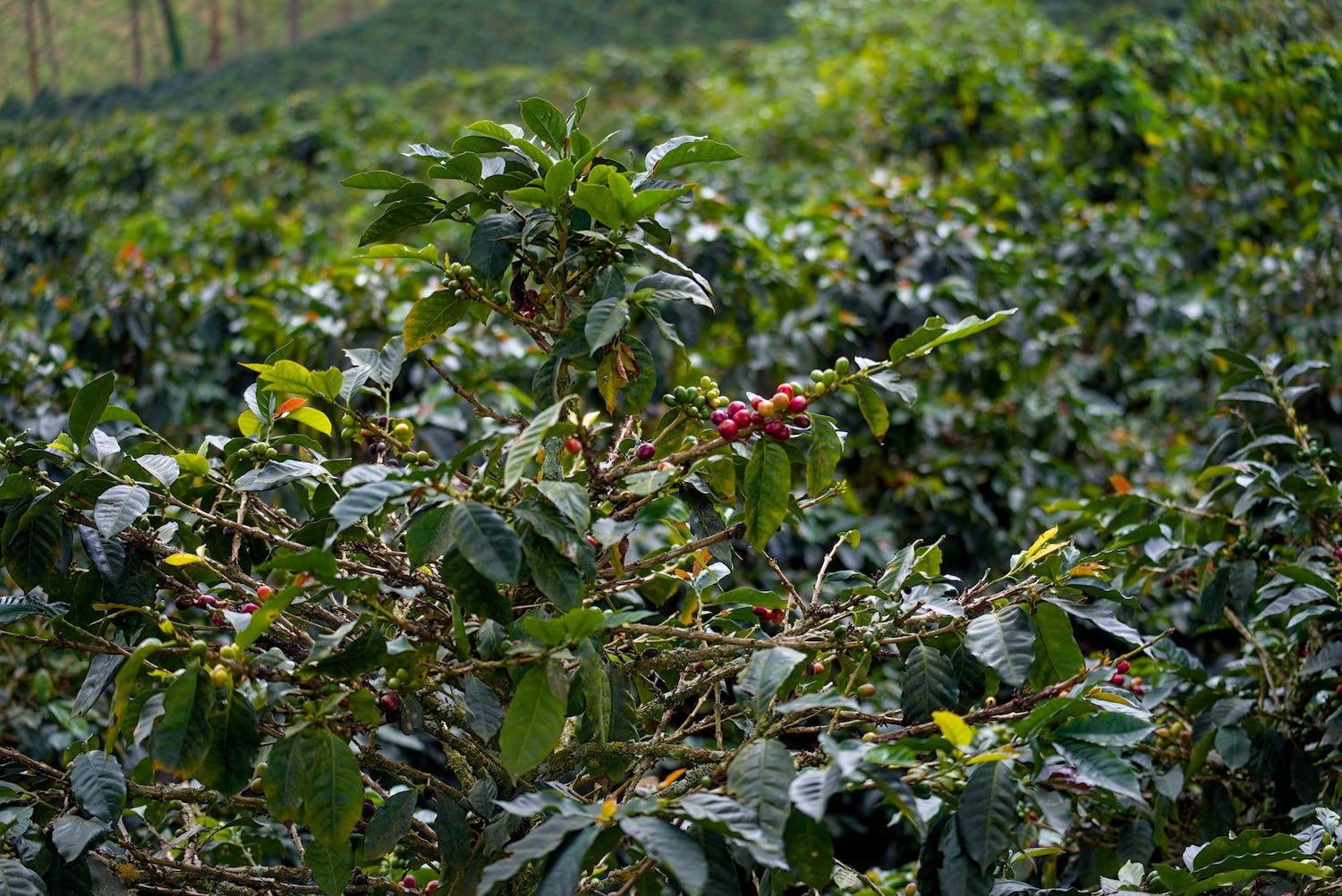
Shades of green consume my line of sight ad nauseam. During the harvest, red coffee beans, surely, break up the monotony, but it’s off-season at the Pérez Arrubla coffee farm in Líbano, Colombia, and a wall of foliage overwhelms the eye, exhausting it.
The hot, Andean sun doesn’t help. It beats down without mercy, eliciting a headache and making it hard to focus. Yet focus is vital. The plantation sits on the side of the Nevado de Ruiz, whose steep inclines are unforgiving – a single misstep could send you plummeting down.

Then, there’s the wildlife. The mountains in the department of Tolima are home to over 60 species of snakes, many of them venomous. One of the most common, the aggressive fer-de-lance viper, is responsible for most snakebites in Colombia.
“You can’t survive without your hat and your machete,” Wilder, a farmhand who leads the harvest team at the coffee farm tells us.
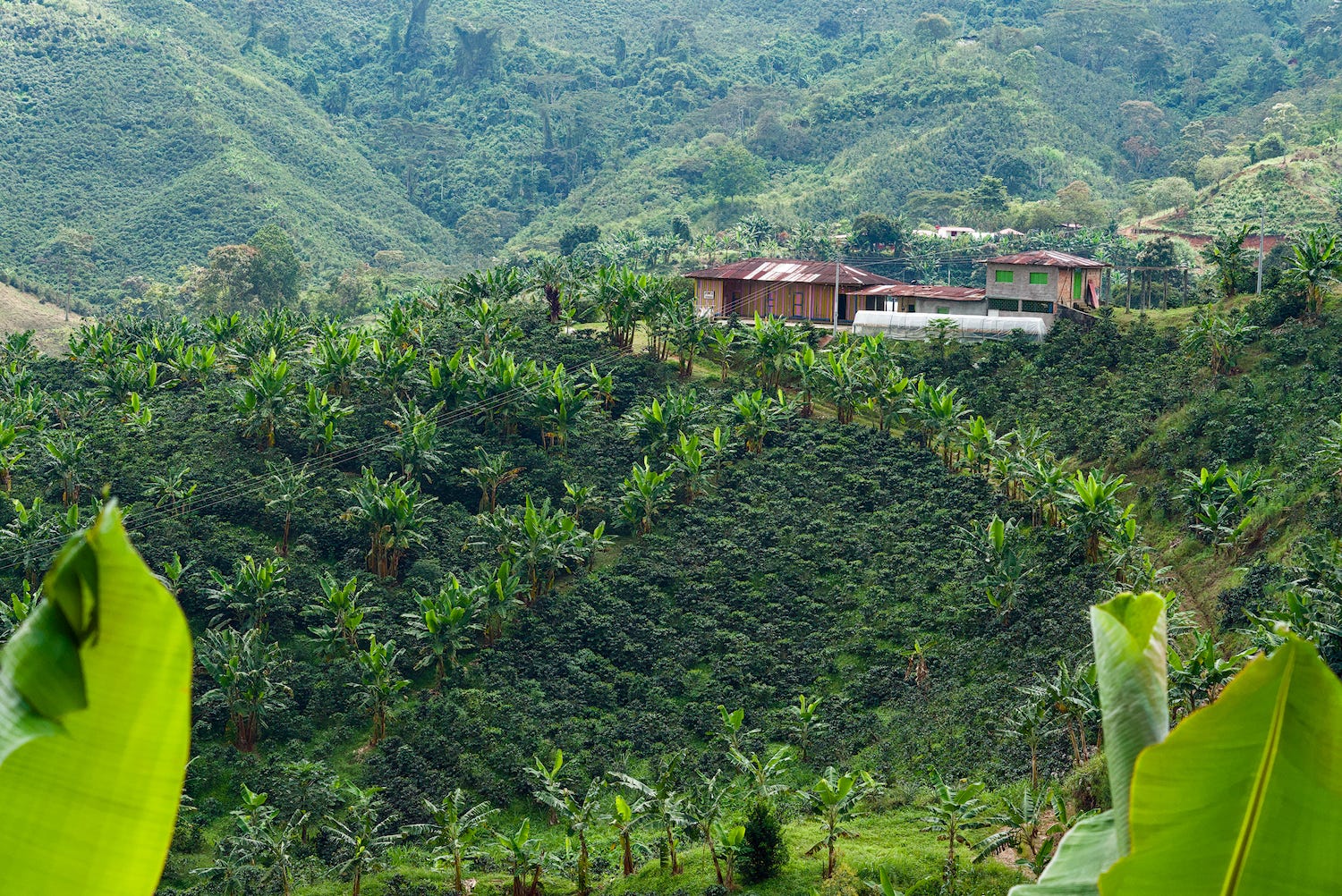
Colombians have planted, cultivated, and harvested coffee on the country’s mountains for hundreds years and continue to rely on manual, labor-intensive methods that have remained largely unchanged. But it’s a much more unforgiving experience from the one sold in the tourism brochures.
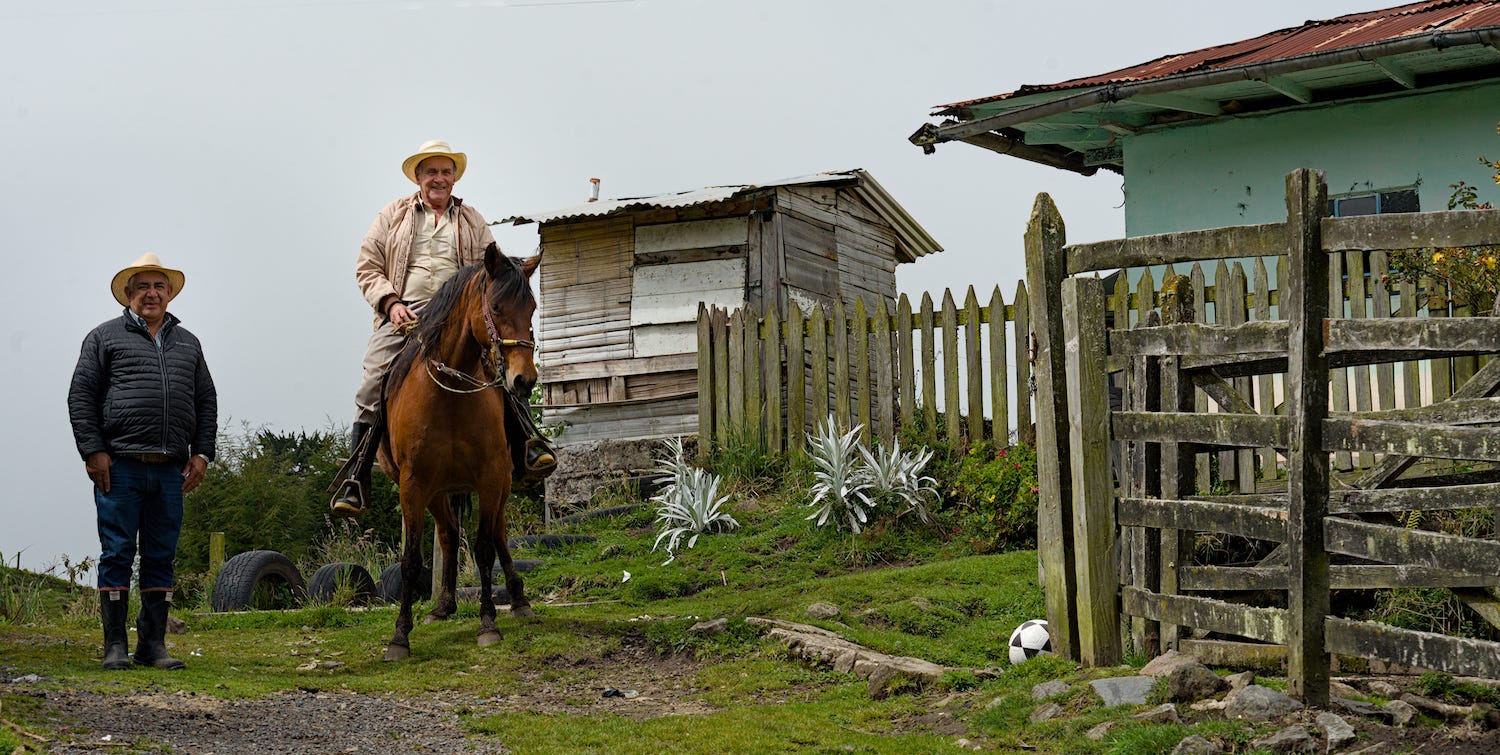
And now this sector, steeped in tradition, has arrived at a crossroads.
Over decades, Colombia’s rural population has abandoned the countryside, driven out by armed groups and low wages. In 2025, a boom year for coffee production and a 13-year record in prices, the country’s half a million coffee-growing families struggled to contract the manual labor needed to pick the beans, sometimes leaving part of the harvest to rot on the plant.
In our latest piece for the Guardian’s “Coffee Crisis” series – reported from Tolima, Colombia – we try to answer these questions with help from finca owners, their workers, and experts.
Thank you for creating and publishing this. We NEED more media on environmental topics like this.